Pacific leaders focus on learning data
Wednesday, 2 Sep 2026
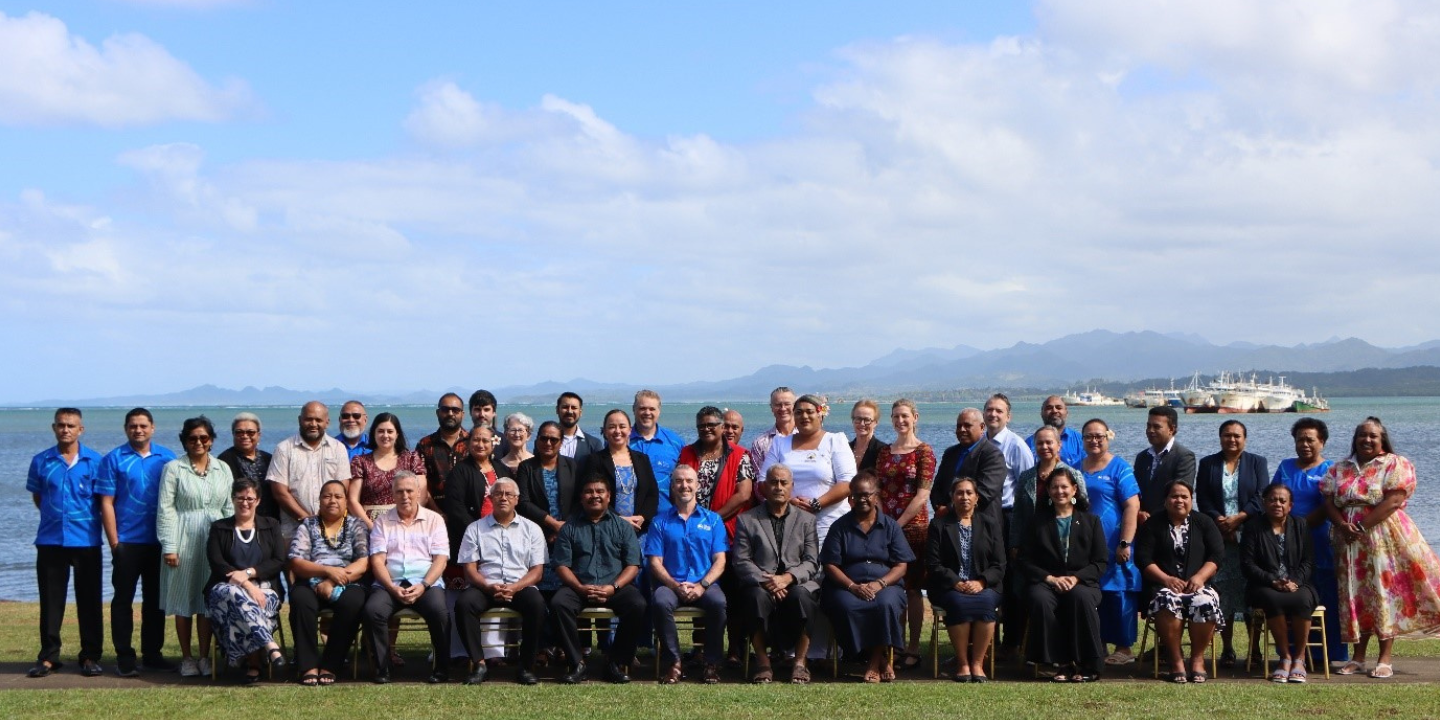
Regional leaders and partners recently met in Fiji to discuss how evidence can support education reform across the Pacific.
Staff from the Australian Council for Educational Research (ACER) recently joined Pacific education leaders and development partners in Suva, Fiji, to discuss how learning data is helping countries strengthen education systems and make the case for sustained investment in reform.
The meetings included the 11th meeting of the Pacific Board for Education Quality (PBEQ) and the latest 6-monthly partnership review between the Pacific Community’s (SPC) Education Quality and Assessment Programme (EQAP), the Australian Department of Foreign Affairs and Trade (DFAT), New Zealand’s Ministry of Foreign Affairs and Trade (MFAT) and ACER.
Discussions focused on the role of evidence in supporting education policy, system strengthening and more effective use of learning data across the Pacific. They also provided an opportunity to consider how regional partnerships can continue to evolve over the next decade, particularly by supporting countries to move beyond reporting results and towards translating data into policy and practice.
PILNA remained central to these conversations. Led by SPC, the assessment provides high-quality evidence about student learning across the Pacific and supports countries to better understand learning needs, identify priorities and plan targeted responses.
The latest PILNA results will be released on International Literacy Day on 8 September, underscoring the importance of literacy in helping students participate fully in learning and life. The release will provide new regional evidence on literacy, numeracy and the conditions that support learning across Pacific education systems.
Since 2015, ACER has partnered with SPC to support the delivery and development of PILNA. This has included technical input across assessment design, data analysis and reporting, with a focus on producing evidence that is robust, relevant and useful for Pacific education systems.
The meetings in Suva also highlighted the broader value of learning data in helping countries understand system needs and prioritise reform. Robust evidence can support planning, inform policy decisions and help partners align investment with the areas where it can have the greatest impact.
Dr Elizabeth Cassity, Principal Research Fellow in ACER’s Education and Development team, said the discussions showed the importance Pacific education leaders place on using evidence to improve outcomes for students.
‘PILNA gives countries access to learning data that can inform policy, strengthen systems and support decisions about where investment is needed most. The meetings in Fiji reinforced the value of regional collaboration in turning evidence into action.’
Following the release of the PILNA 2025 regional report, ACER and SPC will continue working with Pacific partners to support country-level analysis and the use of evidence to inform improvements in teaching, learning and education system planning.